I am REALLY good at what I do
"I am REALLY (like REALLY!!) good at what I do"
There.
I said it.
Not quietly.
Not apologetically.
Not wrapped in a disclaimer.
I am really good at what I do.
Even writing those words feels strangely uncomfortable.
Not because they aren't true. But because many of us were taught that confidence should always come with a side serving of humility.
Be capable.
Just don't sound too sure of yourself.
Be accomplished.
Just don't talk about it too much.
Know your value.
Just don't make anyone uncomfortable by saying it out loud.
And yet, after years of working with women, communities, leaders, organisations and teams, I can honestly say this:
I am good at what I do.
I know how to hold space for difficult conversations.
I know how to ask questions that help people see themselves differently.
I know how to connect dots that others sometimes miss.
I know how to create environments where people feel safe enough to say the thing they've been carrying for years.
The evidence exists.
Clients tell me.
Organisations tell me.
Communities tell me.
The feedback is consistent. The outcomes are visible.
So this isn't blind confidence.
It's evidence-based confidence. And yet.
There are still moments when I find myself wondering: "If I'm so good at what I do, why don't more people know?"
Why am I not in more rooms?
Why am I not the obvious choice more often?
Why do some opportunities seem to find other people first?
For a long time I thought those questions meant I lacked confidence.
Now I think they simply make me human. Because confidence and doubt are not opposites.
They coexist.
I can know I'm good at what I do and still wonder whether I'm being seen.
I can trust my capability and still question my visibility.
I can believe in my work and still experience disappointment when opportunities don't materialise.
The older I get, the more I realise that confidence isn't the absence of uncertainty.
It's the willingness to remain grounded in what you know to be true, even when external validation arrives inconsistently.
And perhaps that's where "Unmuting You" really began.
Not because I lost my voice. But because I realised how often I was waiting for someone else to confirm what I already knew.
Waiting for the invitation.
Waiting for the recognition.
Waiting for the room.
Waiting for someone to say: "You're the one."
The problem with waiting is that it quietly hands your authority to other people. And when you do that long enough, you begin outsourcing your self-belief.
These days I'm trying something different. I'm learning to trust the evidence.
Not the likes.
Not the algorithms.
Not the invitations.
Not the comparisons.
The evidence.
The lives changed.
The conversations shifted.
The women who leave standing a little taller than when they arrived.
The organisations that see things differently after we've worked together.
The people who tell me years later that something from one conversation stayed with them.
That's evidence.
Maybe Unmuting Yourself isn't always about becoming louder.
Maybe sometimes it's about becoming willing to acknowledge your own truth without waiting for permission.
For me, one of those truths is this: I am really good at what I do.
Not because I need everyone else to believe it. But because I finally do.
And perhaps that's enough.
For now.
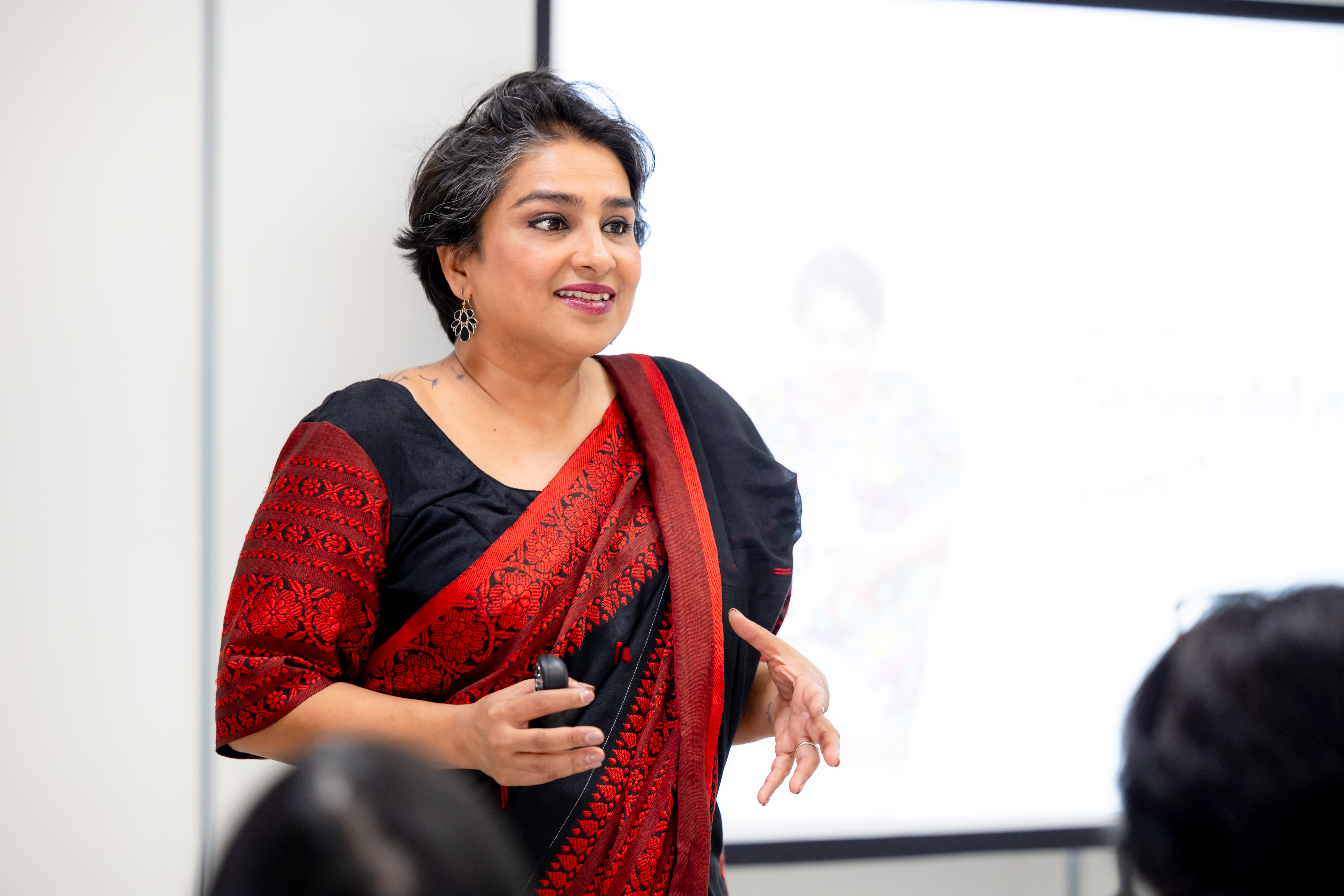
If you're exploring confidence, visibility, leadership or finding your voice, I'd love to hear your reflections. Connect with me or learn more about Unmuting You.
In the spirit of unity and respect, I acknowledge and pay my heartfelt respect to the traditional custodians of Whadjak country, the Noongar people.
I stand on this ancient land with deep appreciation for their enduring connection to country, culture, and community.
As we gather and work together, may we honor the wisdom of the Noongar elders, past, present, and strive to nurture a harmonious relationship with the land, its stories, and its people.


