
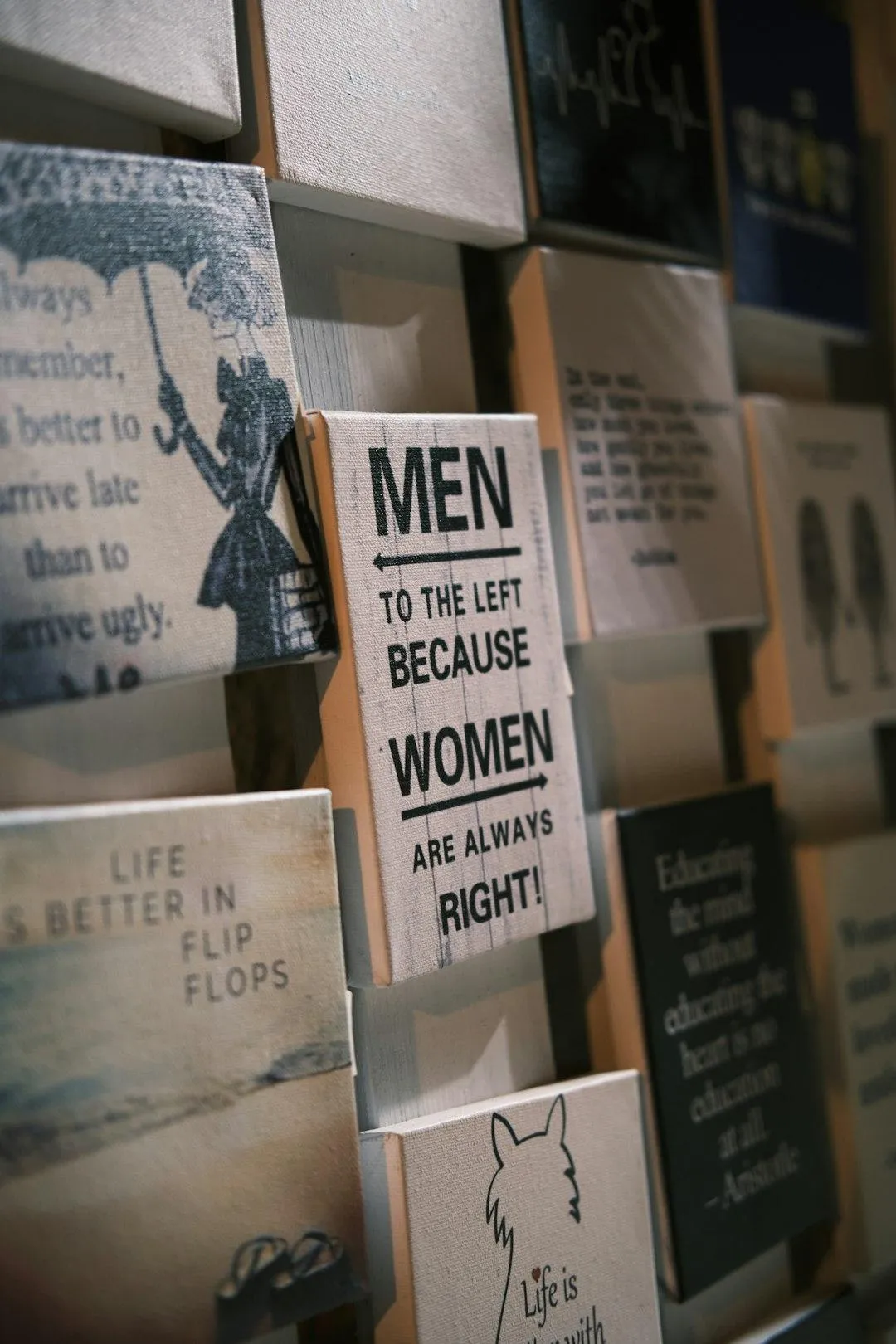
Women aren’t better at coping. They were trained not to fall apart
I noticed something when I was in India recently.
I was accompanying my father through his radiation treatment.
Hospitals have a way of stripping life down to its rawest truths.
No performance. No pretence.Just people… dealing with what is.
And here’s what I couldn’t unsee.
The women — whether they were patients or carers — were holding everything together.
Appointments. Conversations. Emotions. Logistics.
They knew what was happening. They asked the questions.
They anticipated what was needed next.
And the men?
Present. Concerned. Trying.
But often… disoriented.Waiting to be told what to do.
Now, it’s easy to land on the usual conclusion: “Women are just better at this.”
No.They’re not.
They’ve just had a lifetime of rehearsal.
While I was there, I happened to be reading "The Wife Drought." It talks about how many men are able to excel in public life because someone else is quietly managing the private one.
Not occasionally. Consistently.
And once you see it, you can’t unsee it. Because it doesn’t just show up in careers.
It shows up most clearly in moments of crisis.
When things fall apart…Women don’t suddenly become capable.
They default to what they’ve always been expected to do.
Hold it together.
This is what soft misogyny looks like.
Soft misogyny, often called "soft sexism" or "polite misogyny," is a subtle, casual form of contempt or prejudice against women woven into daily life. It reinforces traditional gender roles and restricts women’s autonomy through seemingly harmless comments, infantilizing language, and the expectation that women maintain social harmony, often disguised as chivalry or care.
Not loud. Not aggressive. But deeply embedded.
It doesn’t say: “Women should do more.”
It says: “Women are just better at managing these things.”
Which sounds like admiration. But functions like assignment.
Because if you’re “better at it”… You end up responsible for it.
And responsibility, over time, becomes identity.
So when illness enters the picture, something interesting happens.
There’s no time to negotiate roles. No space to redistribute emotional labour.
People fall into what they’ve been trained for.
Women organise. Women absorb.Women regulate.Women continue.
Even when they are the ones who are unwell.
And that’s the part we don’t talk about enough. Because the same conditioning that makes women appear “strong”…
Also makes it incredibly difficult for them to:
ask for help
step back
not be the one holding everything together
admit they are overwhelmed
Strength, in this context, isn’t always power. Sometimes, it’s pressure.
And here’s the uncomfortable question that stayed with me:
What have women been trained to carry… that they never consciously agreed to?
And equally:
What have men been allowed to never fully learn?
Infantilization in the Workplace:Referring to adult women as "girl," "sweetie," or calling a professional woman a "good girl".
Benevolent Sexism:Insisting on doing tasks for a woman (like carrying a bag) based on the assumption that she is weak and needs a man's help, rather than as a polite gesture.
Role Reinforcement:Telling a woman she shouldn't work if it makes her stressed, encouraging her to remain home for the "peace" of the man.
Idea Theft/Interruption:Frequently interrupting women in meetings or taking credit for their ideas.
Tone Policing:Criticizing a woman for being "too bossy" or emotional when she is assertive, a trait praised in men.
Labeling "Wife Material":Reducing women to their utility in a relationship or their ability to conform to traditional homemaker roles.
This is not about blame.It’s about visibility.
Because when something becomes invisible, it becomes normal. And when it becomes normal…
No one questions it.
Not in families. Not in relationships.Not in leadership.
And most quietly — Not within ourselves.
This is the work. Not just unlearning what was said to you.
But noticing what was silently assigned to you.
Because until you see it… You’ll keep calling it “just who I am.”
(And it’s not.)
In the spirit of unity and respect, I acknowledge and pay my heartfelt respect to the traditional custodians of Whadjak country, the Noongar people.
I stand on this ancient land with deep appreciation for their enduring connection to country, culture, and community.
As we gather and work together, may we honor the wisdom of the Noongar elders, past, present, and strive to nurture a harmonious relationship with the land, its stories, and its people.


